
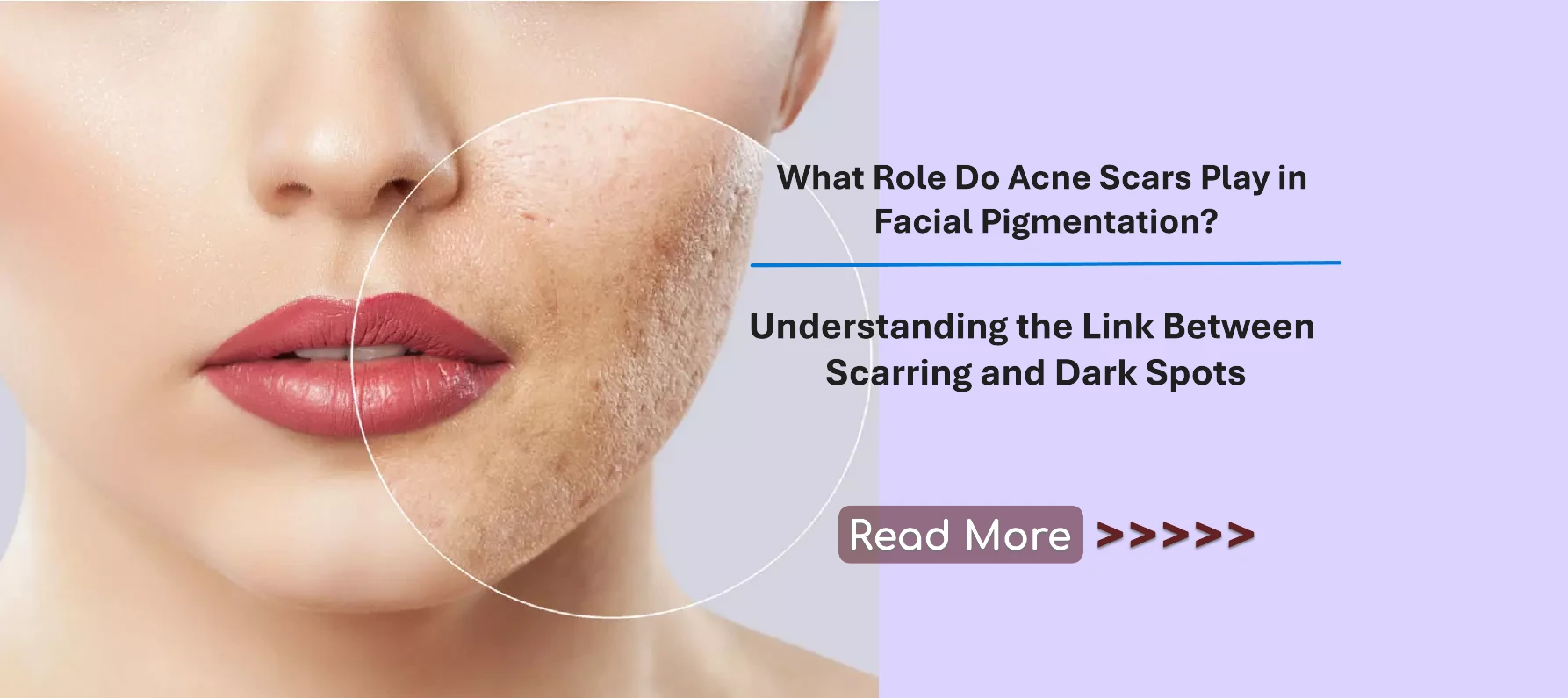
What Role Do Acne Scars Play in Facial Pigmentation? Understanding the Link Between Scarring and Dark Spots
What Role Do Acne Scars Play in Facial Pigmentation? Understanding the Link Between Scarring and Dark Spots
Acne doesn’t always end when the pimples fade; for many people, it leaves behind a stubborn reminder in the form of pigmentation and scars. But what exactly connects acne scars and facial pigmentation? Understanding this link is key to effectively managing and preventing lingering dark spots and uneven skin tone.
🧪 The difference between acne scars and pigmentation
Acne can leave two main types of marks:
-
Textural scars: Changes in skin structure, like ice pick, boxcar, or rolling scars, which look like pits or raised bumps.
-
Pigmented marks: Flat discolorations left behind where acne lesions healed.
The pigmented marks aren’t true scars in the structural sense but are medically called post-inflammatory hyperpigmentation (PIH). Despite being different from textural scars, PIH often appears right after an acne lesion heals and is what most people describe as “acne scars” in daily conversation.
🎨 How acne triggers pigmentation
When a pimple or inflamed lesion forms, it damages the surrounding skin and sets off the body’s natural healing response. Part of this response involves melanocytes, the cells that produce melanin (skin pigment). Inflammation stimulates these cells to produce more melanin, which then settles into the skin, leaving behind a dark spot where the acne once was.
This process can happen with:
-
Active, inflamed pimples
-
Popped or picked pimples (which increase inflammation and trauma)
-
Severe cystic acne that affects deeper skin layers
The resulting pigmentation usually appears as flat brown, red, or purplish marks, depending on your skin tone and the depth of the inflammation.
🌞 Factors that worsen pigmentation after acne
Several factors can make acne-related pigmentation worse:
-
Sun exposure: UV rays can darken already pigmented spots and slow the fading process.
-
Skin tone: Individuals with medium to darker skin tones naturally produce more melanin, making them more prone to noticeable pigmentation.
-
Repeated trauma: Constant picking, scratching, or harsh exfoliation can worsen inflammation and deepen pigmentation.
🩹 Do textural acne scars also have pigmentation?
Yes, textural scars (the pitted or raised types) often come with overlying pigmentation. Even after the scar’s texture forms, the skin above can stay darker due to excess melanin produced during healing.
So, people often face a double challenge: treating both the uneven skin texture and the dark spots layered on top.
✅ Managing and preventing pigmentation from acne scars
While it’s impossible to stop every mark from forming, these steps help:
-
Avoid picking or squeezing pimples, which increases trauma.
-
Use sunscreen daily to prevent spots from getting darker.
-
Incorporate gentle brightening agents like niacinamide, azelaic acid, or vitamin C into your skincare routine.
-
See a dermatologist for stubborn spots; they may recommend chemical peels, laser treatments, or prescription creams.
✨ In summary
Acne scars and pigmentation are closely linked: inflammation from acne can overstimulate melanin production, leaving dark spots even after the pimple is gone. While textural scars change the skin’s structure, pigmentation mainly affects color. Knowing this difference helps in choosing the right treatments and preventing future marks for clearer, more even-toned skin.
Related Blog
What Causes Oily Skin and Can It Be Managed Naturally? Exploring Root Causes and Gentle Solutions
Aug 2, 2025 by Admin
General
What Are the Signs That You Have Sensitive Skin? Key Symptoms to Help You Identify This Delicate Skin Type
Aug 1, 2025 by Admin
General