
What Is the Difference Between Blackheads and Whiteheads? Understanding Causes, Appearance, and Treatment
What Is the Difference Between Blackheads and Whiteheads? Understanding Causes, Appearance, and Treatment
Blackheads and whiteheads are two of the most common types of acne, yet many people don’t fully understand what sets them apart. While both form when pores become clogged with oil, dead skin cells, and sometimes bacteria, the way they appear and why they look different is tied to whether the pore stays open or closed. Let’s break down the differences in detail, explore their causes, appearance, and discuss effective treatments.
What Are Blackheads?
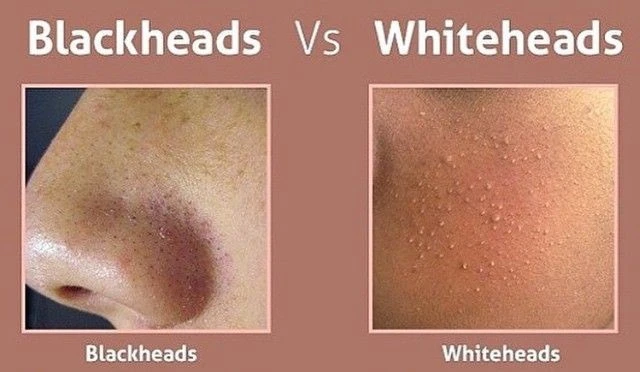
Blackheads, medically known as open comedones, occur when a pore becomes clogged but remains open at the surface. The material inside the pore — mainly sebum (oil) and dead skin cells — oxidizes when exposed to air, turning it black or dark brown. Contrary to common belief, the black color isn’t dirt; it’s simply the result of oxidation.
Blackheads are typically small, slightly raised, and can often be felt as tiny bumps on the skin. They most often appear on the nose, forehead, and chin, but can also be found on the back, chest, and even shoulders.
What Are Whiteheads?
Whiteheads, or closed comedones, form similarly when pores get clogged with oil and dead skin cells. However, in this case, the top of the pore closes over the buildup. Since the material inside isn’t exposed to air, it doesn’t oxidize and remains white or flesh-colored.
Whiteheads often look like small, round bumps under the skin’s surface. They may feel firmer than blackheads and can sometimes be harder to treat because they are closed.
What Causes Blackheads and Whiteheads?
The underlying causes are largely the same:
-
Excess oil production: Hormonal changes, genetics, or even certain skincare products can increase oil on the skin.
-
Dead skin cell buildup: Without proper exfoliation, these can accumulate and block pores.
-
Hormonal fluctuations: Especially during puberty, menstruation, pregnancy, or from certain medications.
-
Lifestyle and habits: Using comedogenic makeup or skincare, poor cleansing habits, or excessive sweating can contribute.
While both types stem from clogged pores, blackheads occur when the pore stays open, and whiteheads form when the pore seals shut.
Treatment Options
Both blackheads and whiteheads can benefit from similar treatment approaches, but with some specific considerations:
-
Gentle cleansing: Use a mild, non-comedogenic cleanser twice daily to keep pores clear.
-
Exfoliation: Regular gentle exfoliation with chemical exfoliants like salicylic acid helps remove dead skin cells and prevent clogs.
-
Topical retinoids: These help speed up cell turnover and keep pores clear, making them effective against both blackheads and whiteheads.
-
Avoid picking: Squeezing blackheads or whiteheads can lead to irritation, infection, or scarring.
-
Professional treatments: Dermatologists may recommend extractions, chemical peels, or prescription medications for persistent cases.
Final Thoughts
Though blackheads and whiteheads share the same root causes, their difference lies in how the clogged pore interacts with the air. Understanding this difference helps you choose the right skincare routine and treatment to keep your skin clear and healthy. If over-the-counter products don’t help, it’s wise to consult a dermatologist for personalized advice.
Related Blog
What Causes Oily Skin and Can It Be Managed Naturally? Exploring Root Causes and Gentle Solutions
Aug 2, 2025 by Admin
General
What Are the Signs That You Have Sensitive Skin? Key Symptoms to Help You Identify This Delicate Skin Type
Aug 1, 2025 by Admin
General