
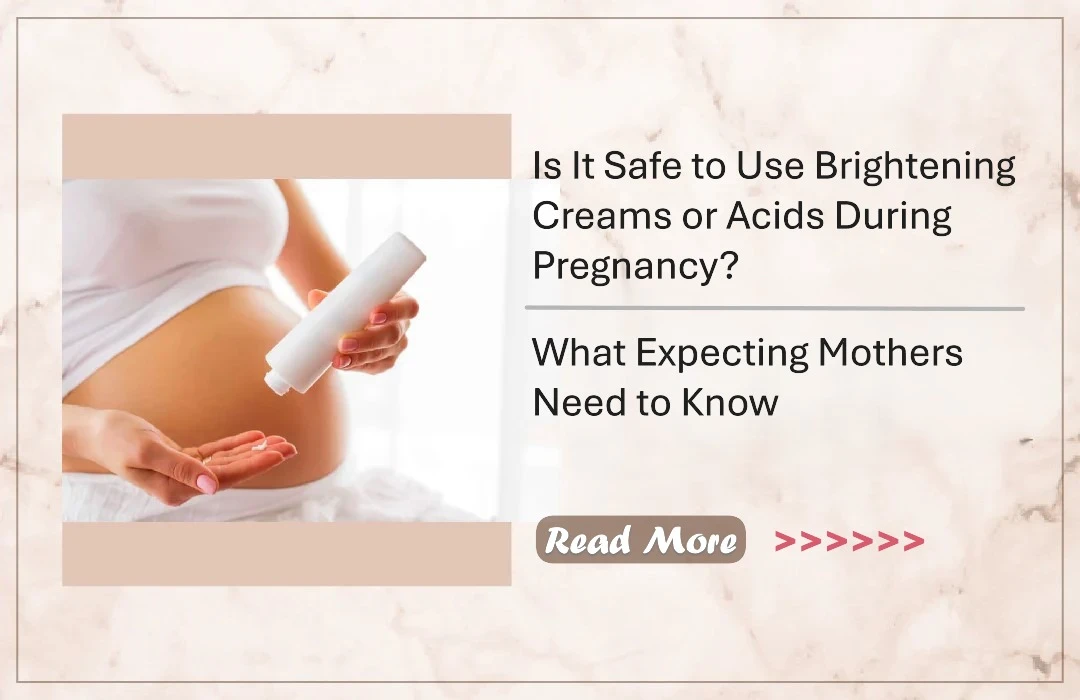
Is It Safe to Use Brightening Creams or Acids During Pregnancy? What Expecting Mothers Need to Know
Is It Safe to Use Brightening Creams or Acids During Pregnancy? What Expecting Mothers Need to Know
Pregnancy brings many changes to the skin, from the “pregnancy glow” to darker patches known as melasma or “the mask of pregnancy.” Many women turn to brightening creams or exfoliating acids to manage these changes—but are they safe to use during this delicate time? Understanding which ingredients to avoid and which may be safe can help expecting mothers care for their skin confidently.
Why Skin Pigmentation Changes During Pregnancy
Hormonal fluctuations, especially increased levels of estrogen and progesterone, stimulate melanin production in the skin. This often leads to hyperpigmentation, such as melasma on the face, darkening of the nipples, and the linea nigra (the dark line that can appear on the belly). While these changes are usually harmless, they can be frustrating and may prompt women to look for topical solutions.
Brightening Ingredients to Avoid During Pregnancy
Some common ingredients found in brightening creams and chemical exfoliants are considered unsafe during pregnancy because they may be absorbed through the skin or cause irritation. These include:
-
Hydroquinone: Often used to lighten dark spots, hydroquinone is known to be absorbed into the bloodstream at higher rates compared to other topical agents. Due to limited data on its safety during pregnancy and the possibility of systemic absorption, experts recommend avoiding it.
-
Retinoids (tretinoin, retinol, adapalene): These vitamin A derivatives are highly effective for pigmentation and aging but have been linked to birth defects when taken orally. Topical absorption is lower, but they’re still not considered safe during pregnancy.
-
High-strength chemical peels: Strong concentrations of glycolic, salicylic, or trichloroacetic acid (TCA) peels can be too harsh and may lead to irritation and inflammation, which can worsen pigmentation.
Potentially Safer Alternatives
While many brightening ingredients are off-limits, some topical agents are generally considered safe when used as directed:
-
Azelaic acid: This naturally derived acid helps reduce pigmentation and inflammation and is often prescribed for acne and melasma, including during pregnancy.
-
Vitamin C: A popular antioxidant that can help lighten dark spots, vitamin C serums are generally safe in pregnancy and can protect against sun-induced pigmentation.
-
Niacinamide: Also known as vitamin B3, niacinamide helps improve skin tone and texture and is considered safe during pregnancy.
-
Mild exfoliants: Low concentrations of lactic acid or glycolic acid (typically under 10%) may be acceptable when used sparingly, but it’s best to check with a dermatologist first.
Additional Tips for Managing Pigmentation Safely
-
Prioritize sun protection: Daily use of a broad-spectrum sunscreen (SPF 30 or higher) is one of the safest and most effective ways to prevent pigmentation from worsening.
-
Focus on gentle skincare: Avoid harsh scrubs or products that irritate the skin, as inflammation can make pigmentation worse.
-
Consult a dermatologist: Before starting any new product, talk to your doctor or dermatologist to ensure it’s safe for you and your baby.
Conclusion
Many brightening creams and acids can be unsafe during pregnancy, especially those containing hydroquinone or retinoids. However, safer options like azelaic acid, vitamin C, and niacinamide can help manage pigmentation without risking your baby’s health. Always read labels carefully and seek professional advice to protect both your skin and your pregnancy.
Related Blog
What Causes Oily Skin and Can It Be Managed Naturally? Exploring Root Causes and Gentle Solutions
Aug 2, 2025 by Admin
General
What Are the Signs That You Have Sensitive Skin? Key Symptoms to Help You Identify This Delicate Skin Type
Aug 1, 2025 by Admin
General